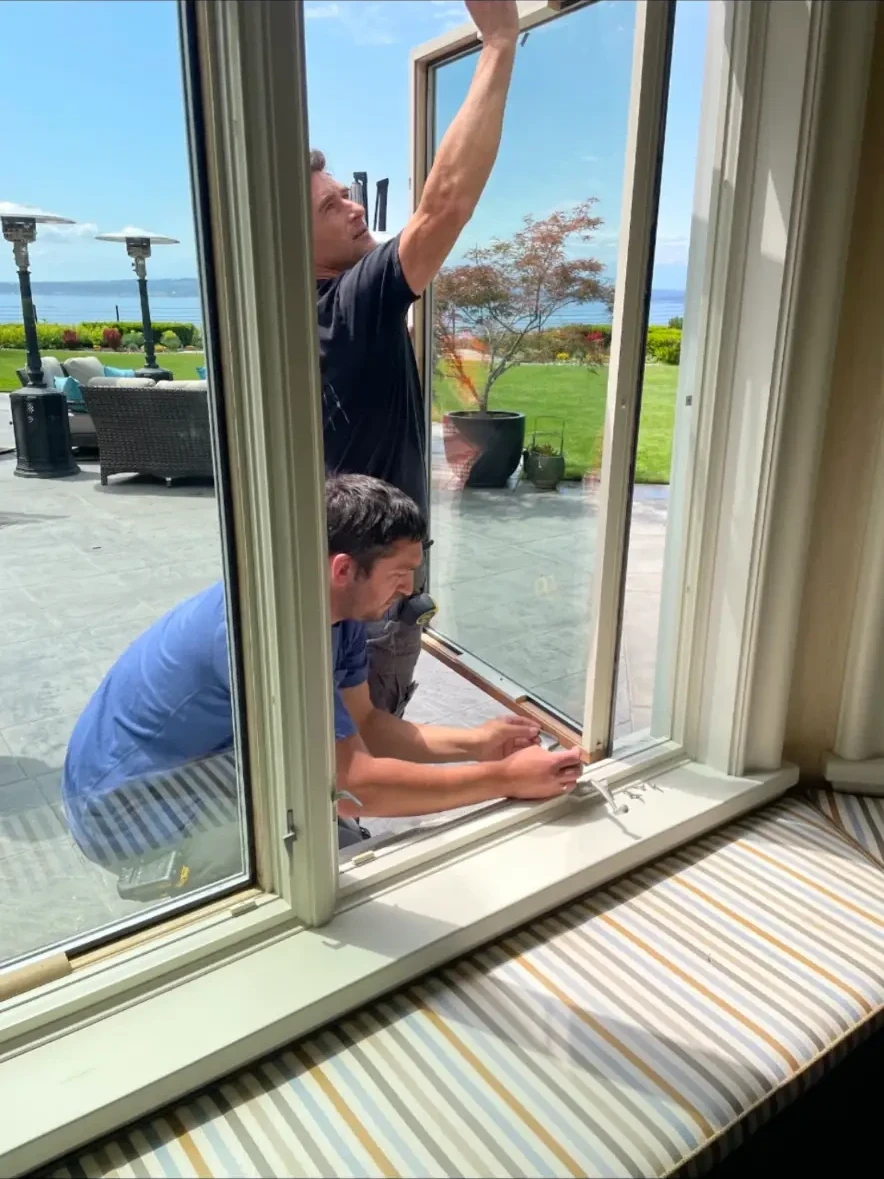
We fix your old Pella windows.
You do not have to buy new windows. We repair the bad wood and put modern glass in the window you already own.
Here is how it works.
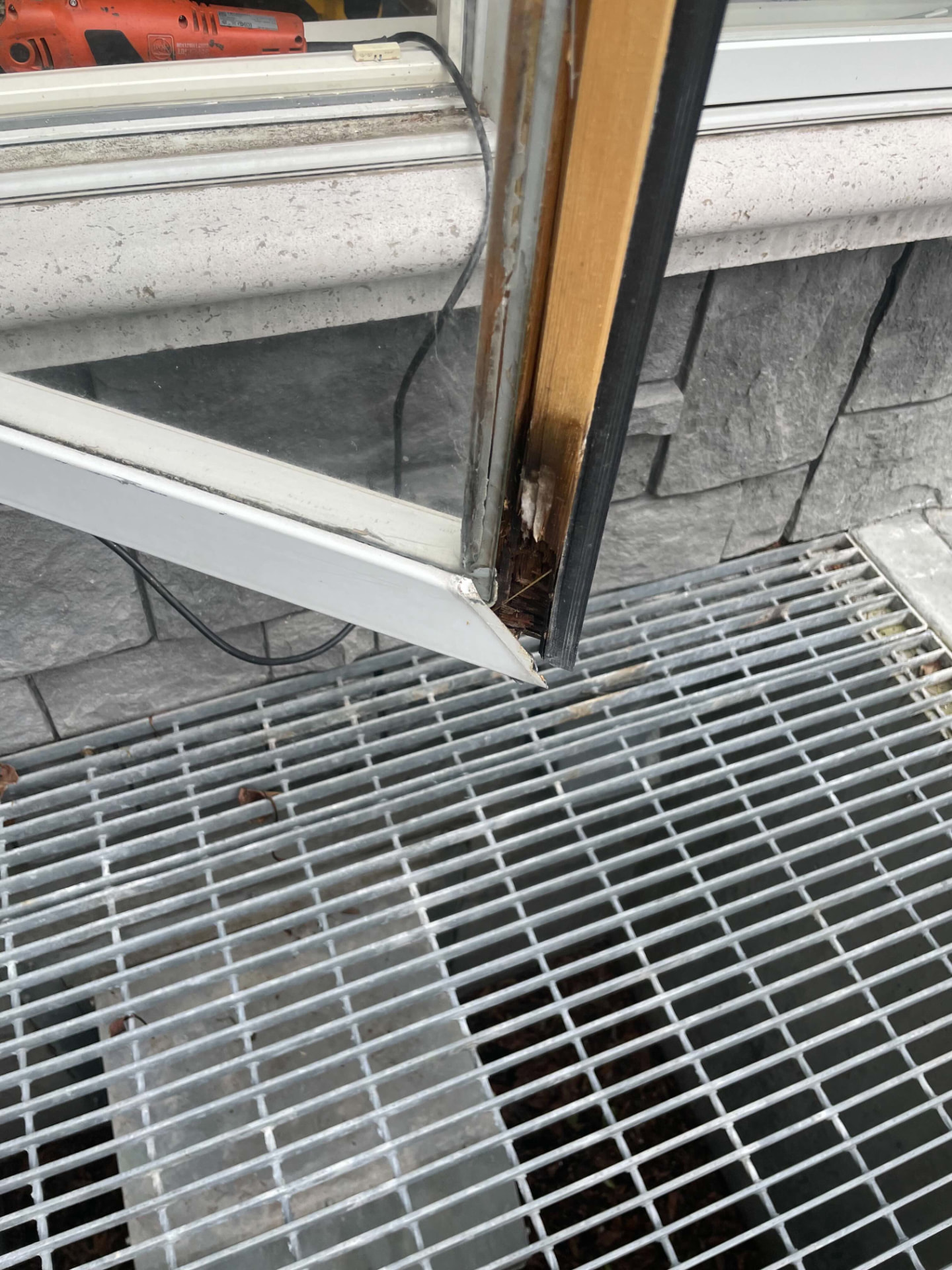
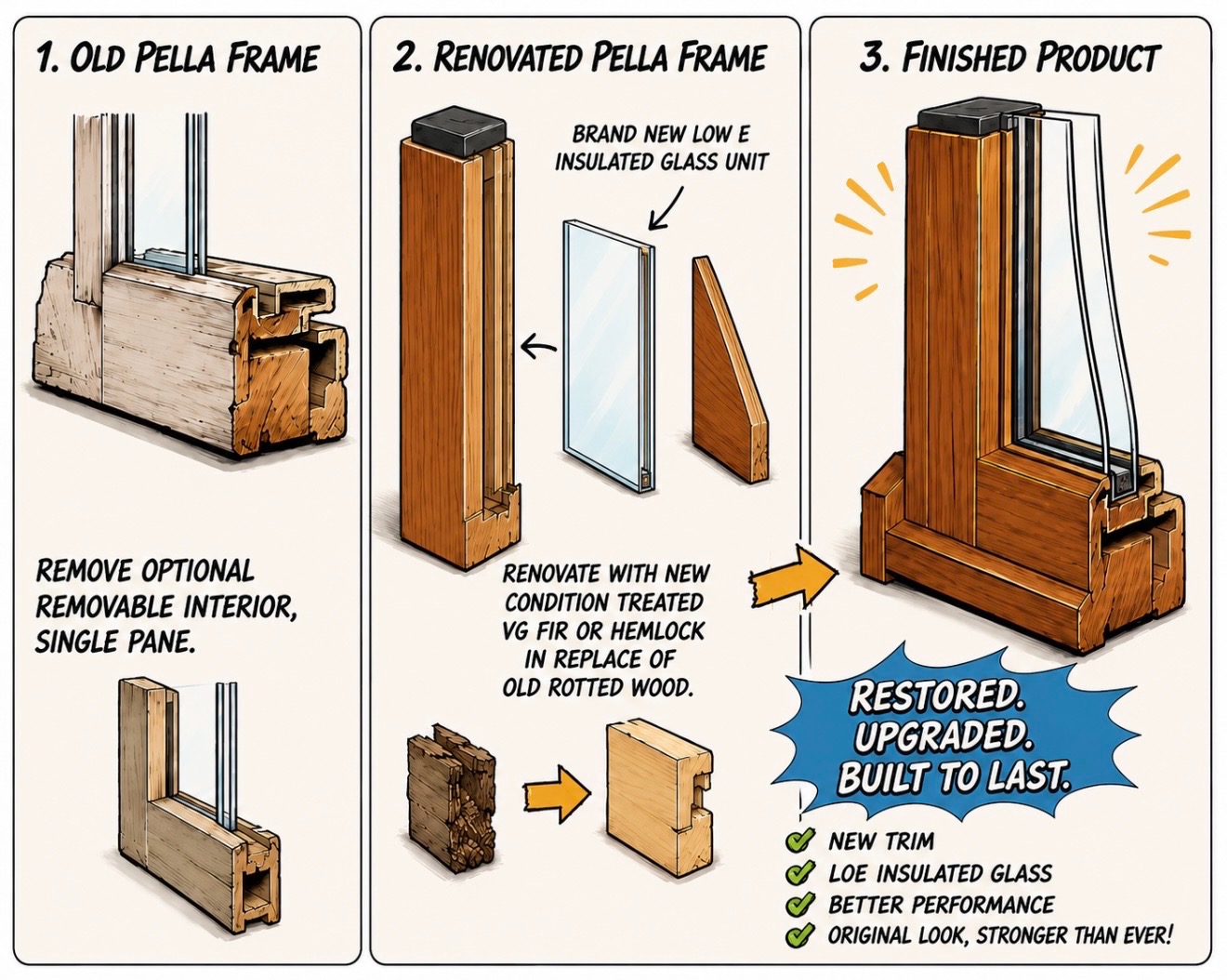
Your old Pella window
The wood is rotting. The glass is foggy. It is drafty and hard to open.
We renovate it
We take out the bad wood and put in new wood. We install new insulated glass.
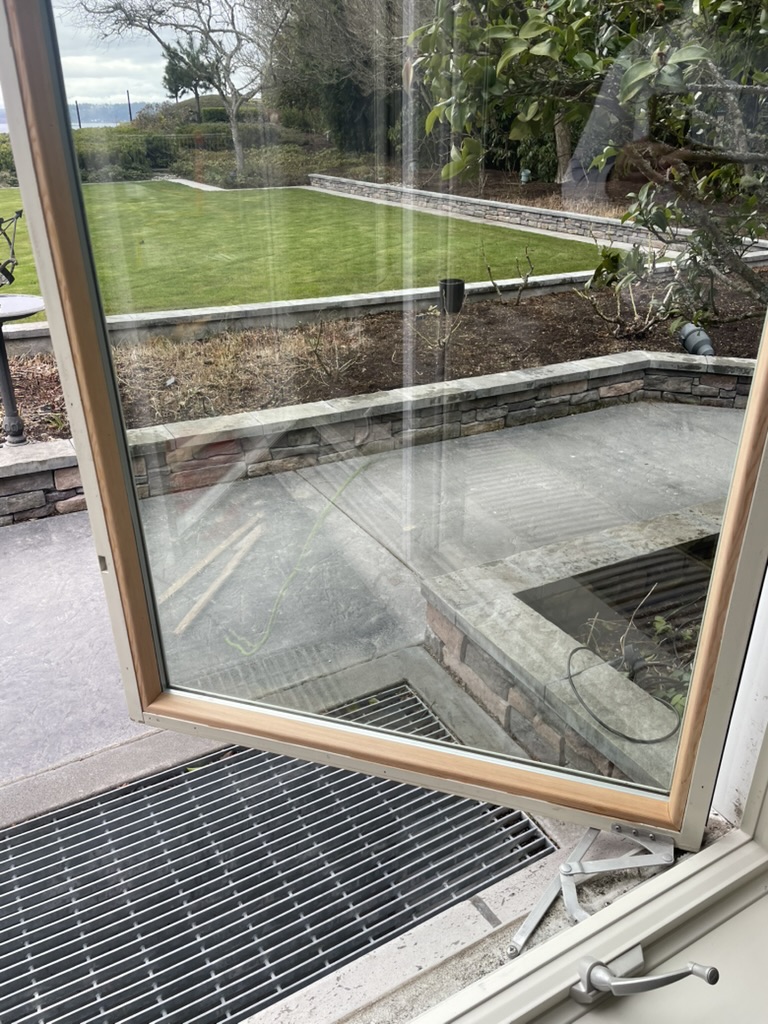
You keep your window
Your own window goes back in — solid wood, new glass, and it looks right again.
The same thing, drawn out.
Old frame. New wood and new insulated glass. Finished window.
Is your window doing any of this?
- ✓Foggy or cloudy glass
- ✓Rotting or soft wood
- ✓Cold drafts
- ✓Hard to open or close
- ✓Broken cranks and locks
- ✓Worn out weather seals
All of these can usually be fixed. In most cases we can save your window.
Ask us about your windowsPhotos of our actual work.
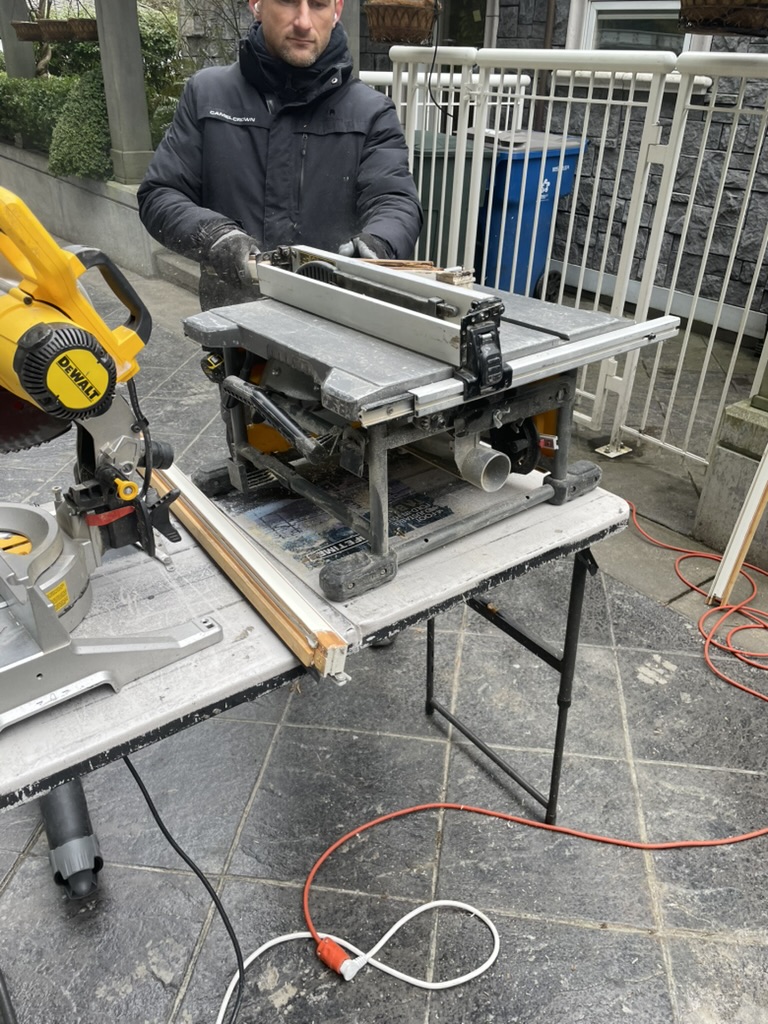
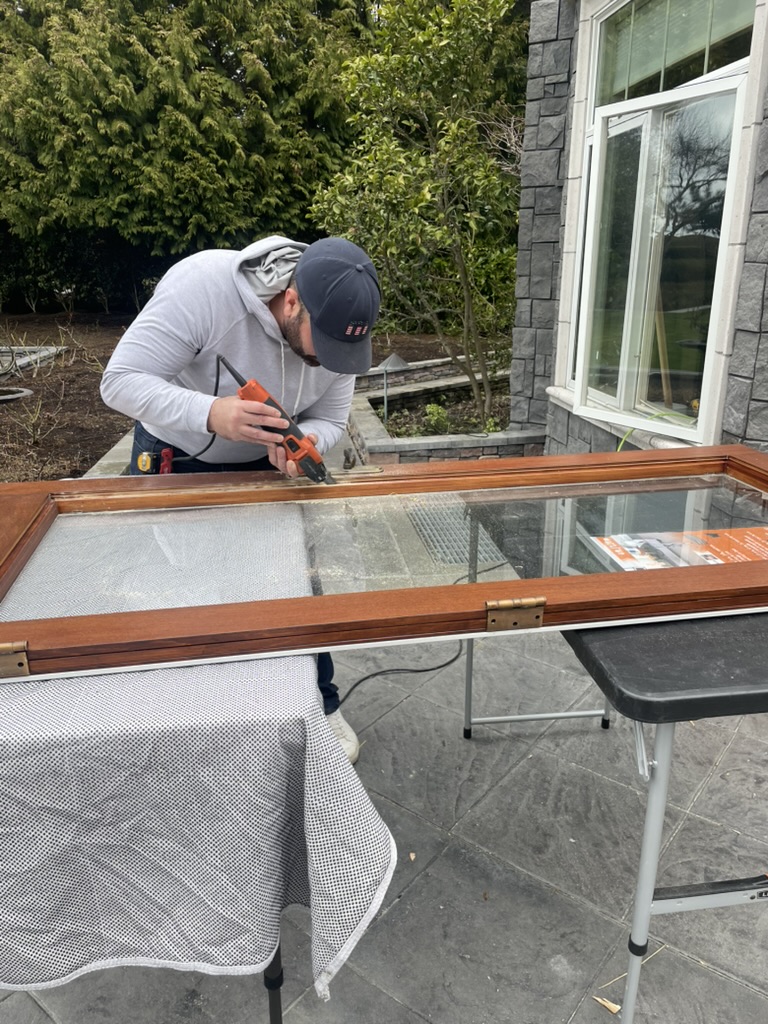
Cutting new wood on site
We cut new wood to match your window. Your window stays in the wall while we work.
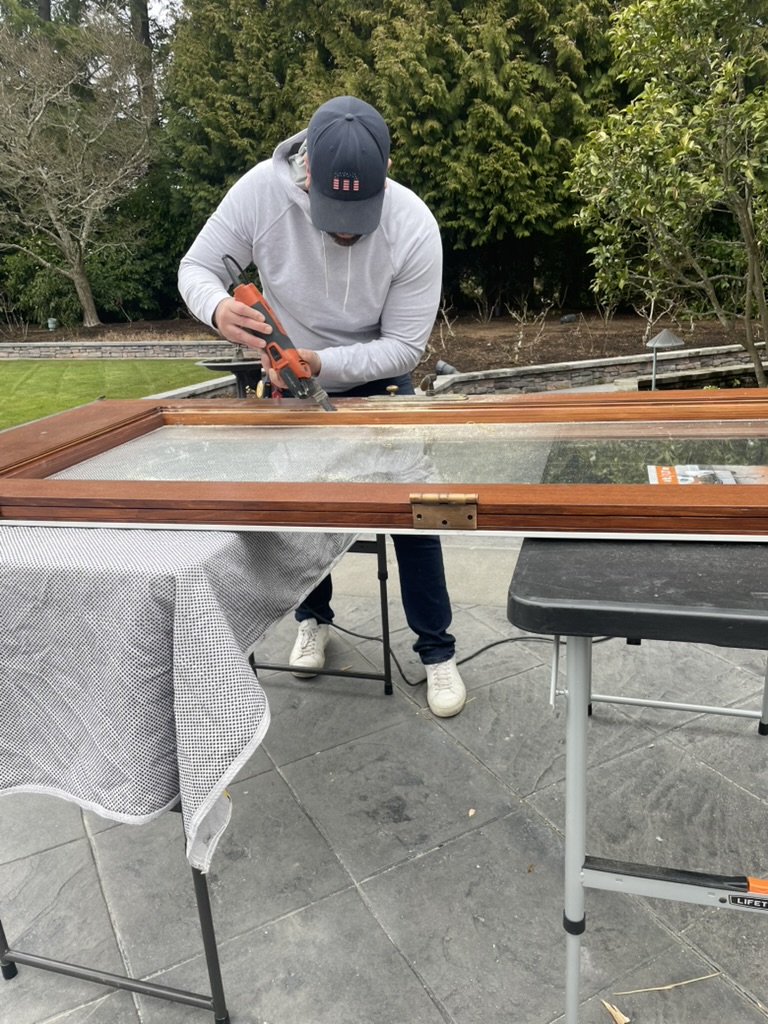
Taking out the old glass
The old glass comes out. We keep the wood sash.
Ready for new glass
The same sash cleaned up and squared, ready for a new insulated glass unit.
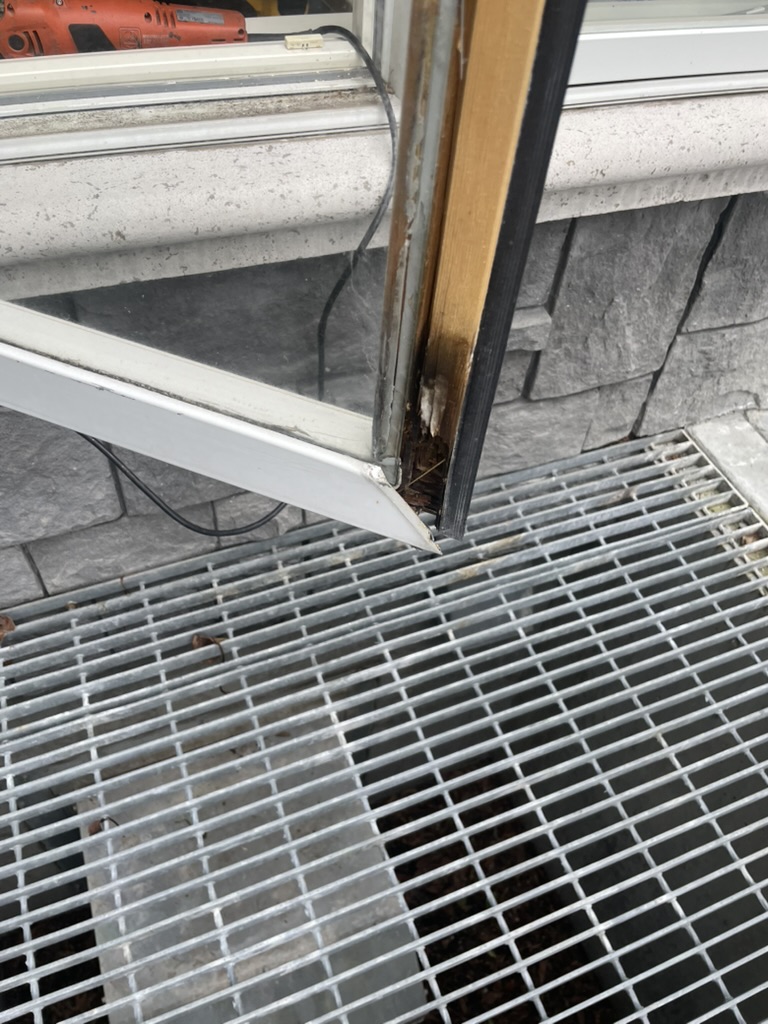
Rotted wood at the bottom
Water got in and ruined the bottom. This is a repair — not a new window.
A bad corner, as we found it
Rot in one corner. The rest of the window is still good.
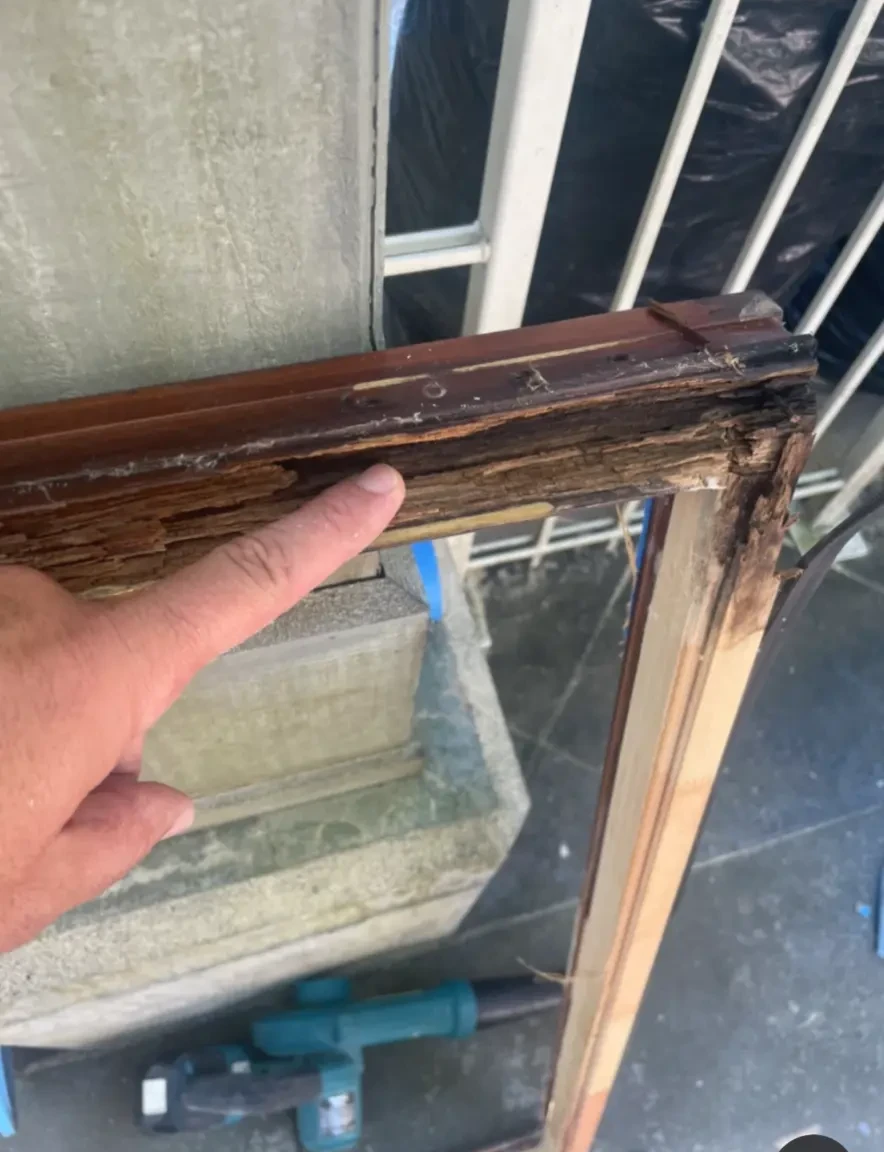
Rot along the bottom rail
We cut the bad wood away and fit new wood in its place.
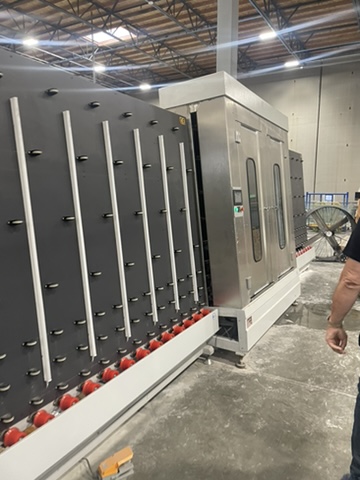
We build the glass ourselves
We make our own insulated glass, so it fits your window exactly.
Back in service
The same window back in the wall, opening and closing the way it should.
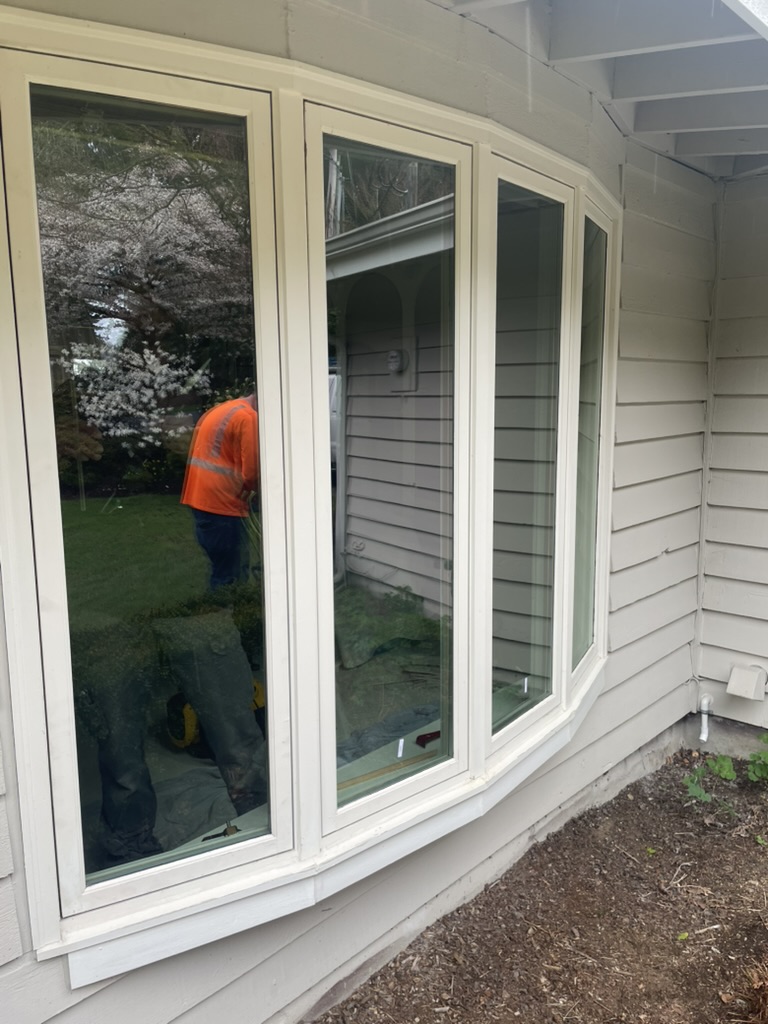
New glass in a bow window
Glass replaced right in place. No trim removed. No siding touched.
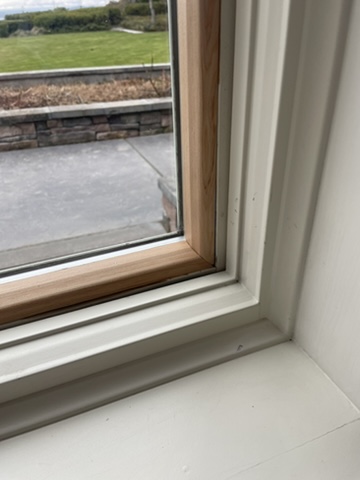
Nothing changed inside
Your inside trim and sill stay exactly as they are.
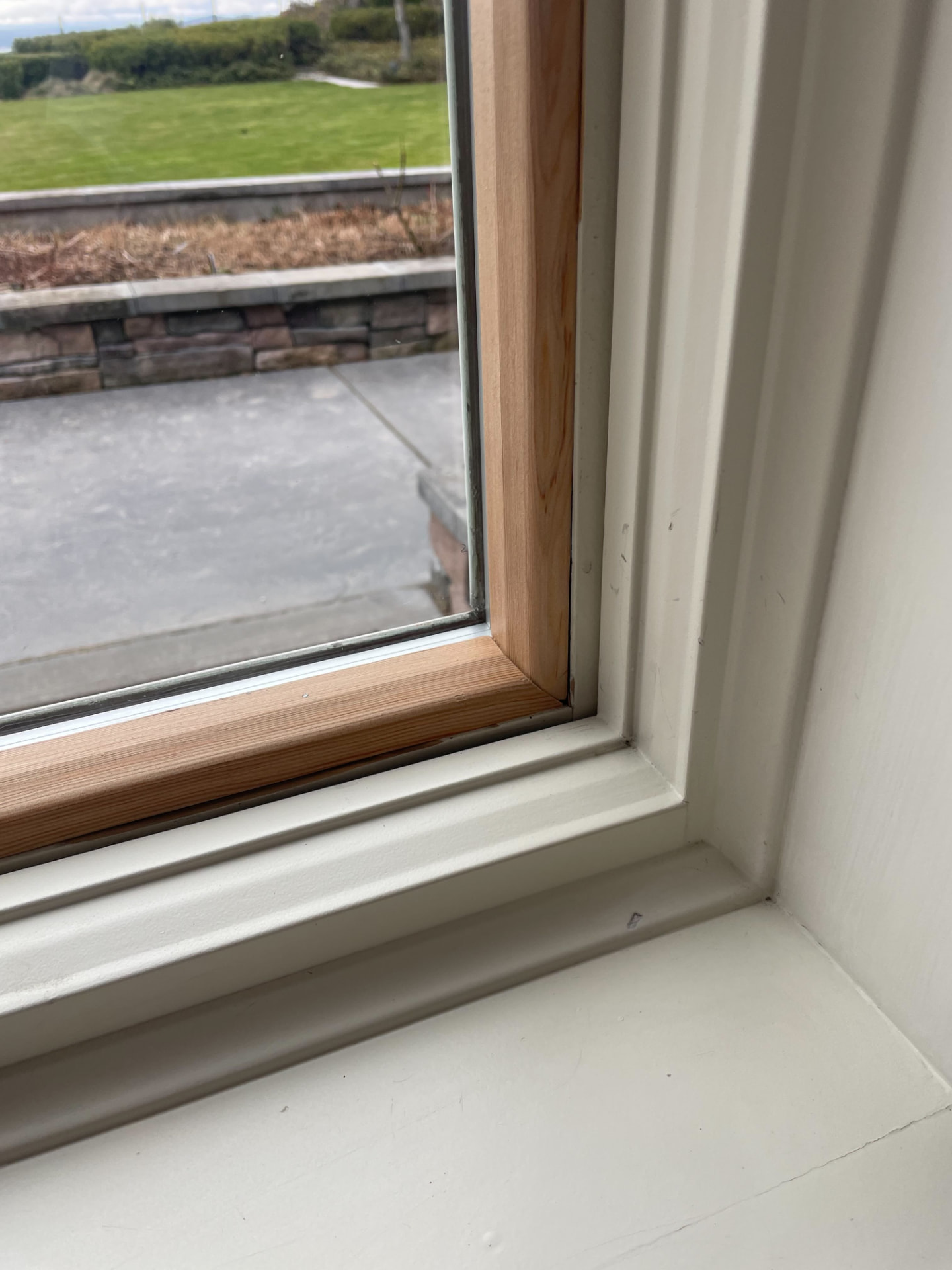
Douglas fir after restoration
No drywall patching. No repainting the room.
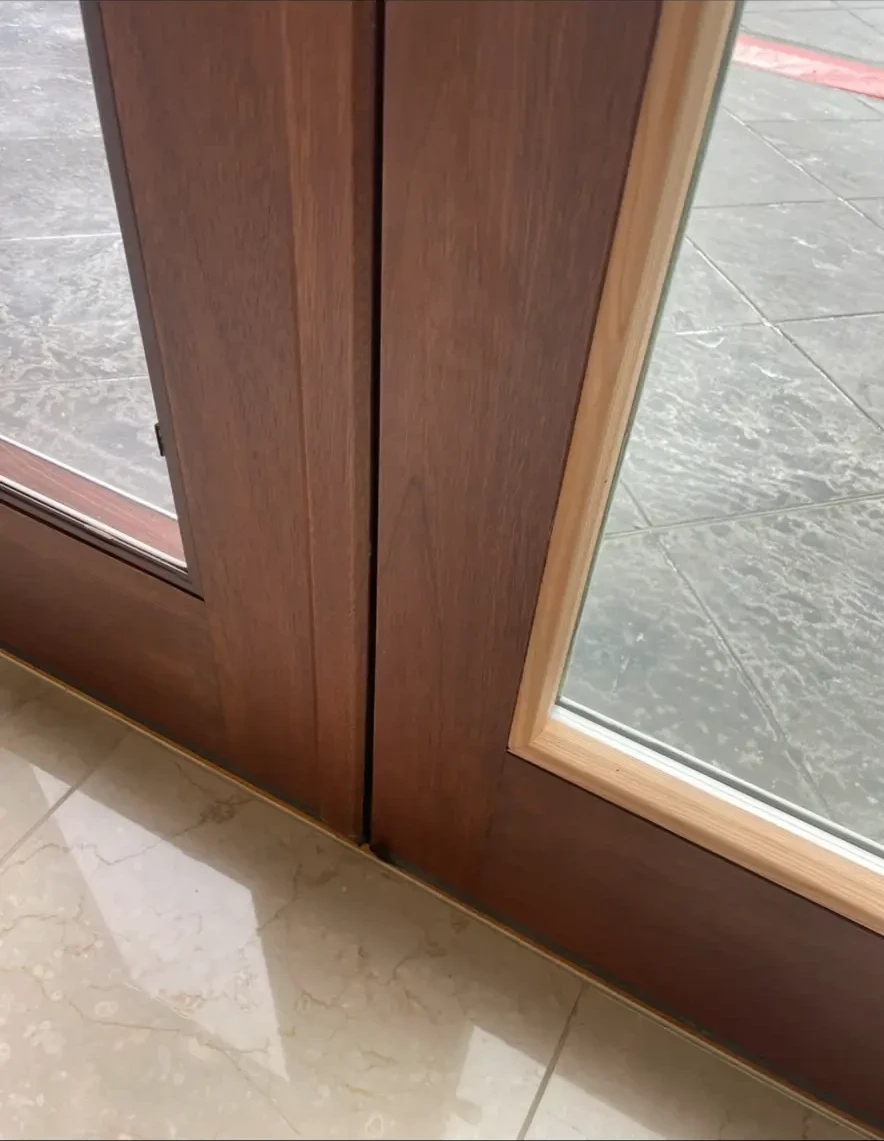
New glass, clean lines
A restored window with new glazing — the same look as before.
Projects.
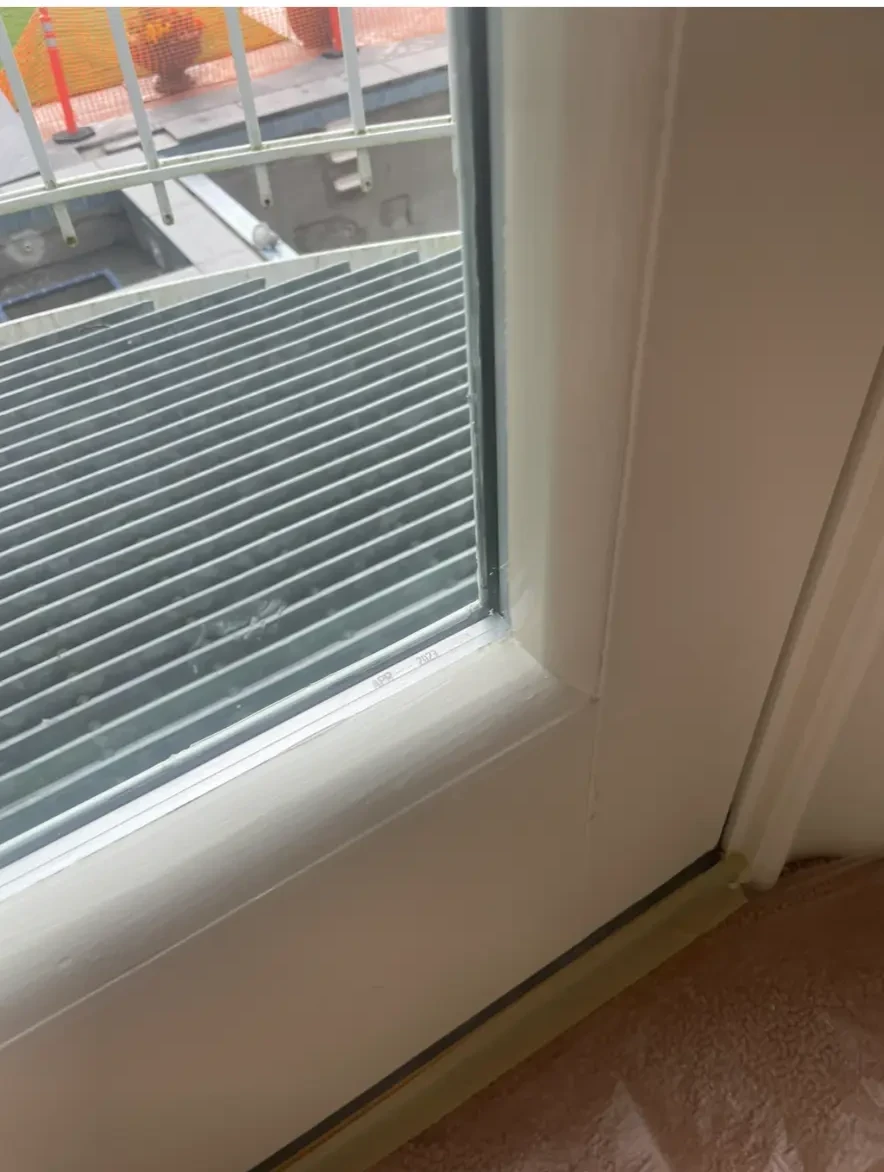
A few examples of Pella windows and doors we have restored. Every photo is from a real job site.
See more projects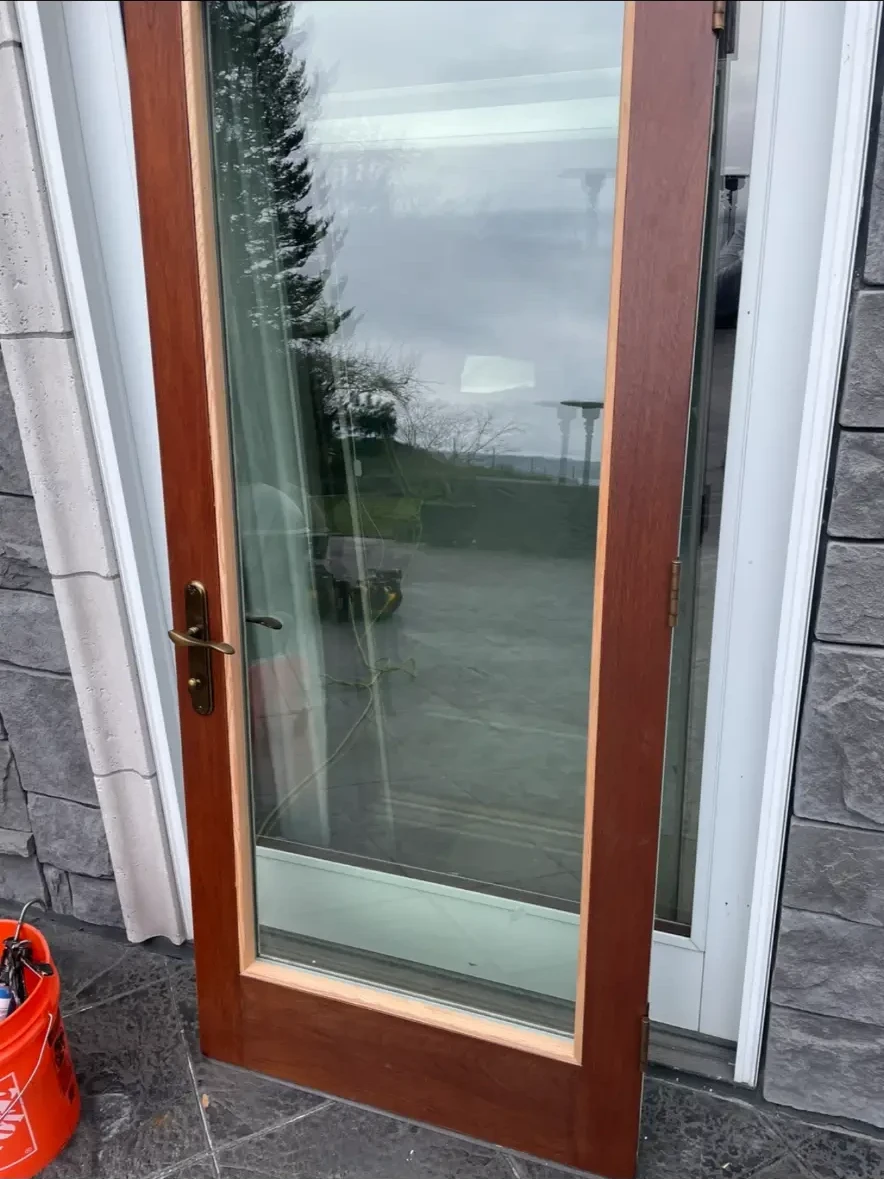
Film
Watch the craft, not the pitch.
A short film following premium wood windows through the shop — the decay, the milling, the glazing, and the return to the opening.
We upgrade your old glass.
Old windows often have glass that is 20 or 30 years old. We put in modern insulated Low-E glass instead — and your original wood window stays right where it is.
- ✓Warmer rooms in winter
- ✓Cooler rooms in summer
- ✓No more foggy glass
- ✓Lower energy bills
What we fix.
Rotted wood
We cut out the bad wood and fit new wood in its place.
Foggy glass
We replace the glass with a new insulated unit.
Drafts
We put in new weather seals so the window closes tight.
Stiff hardware
We repair cranks, hinges, and locks so it opens easily.
Worn sashes
We rebuild the moving part of the window instead of replacing it.
The whole window
We can do all of the above in one visit.
Who we are.
We have been fixing wood windows for more than 20 years. We work only on windows that are already in your home. Our goal is simple: keep the windows you have and make them work again.

Authorized Pella trade partner — a licensed contractor partner of Pella Corporation.
Pella Window Restorations, a Division of Summit Window Restoration Group.
Common questions.
What exactly is window restoration?
Restoration keeps the original frame and sash, repairs what has failed, and upgrades performance components such as glass and weatherstripping. Replacement discards the entire assembly.
How is restoration different from repair?
Repair addresses one failure. Restoration returns the whole assembly — wood, glass, hardware, seals, and finish — to a documented performance standard.
Can any wood window be restored?
Most can. The deciding factor is how much sound wood remains in the frame and whether the profile can be reproduced.
How long does restoration take per window?
Shop work is typically several days per sash, with cure times for adhesives and finishes driving most of the schedule.
Do I have to leave my home during the work?
No. Openings are secured with temporary glazing whenever a sash is out.
Tell us what your windows are doing.
Send a few photos and a short note. We will tell you what is wrong and what it takes to fix it.
Get a free look at your windows