The material is irreplaceable
Old-growth vertical grain stock — narrow rings, high heartwood content, exceptional dimensional stability — is not available at scale today. A frame milled from it and kept dry outlasts anything that would replace it.
The Case for Restoration
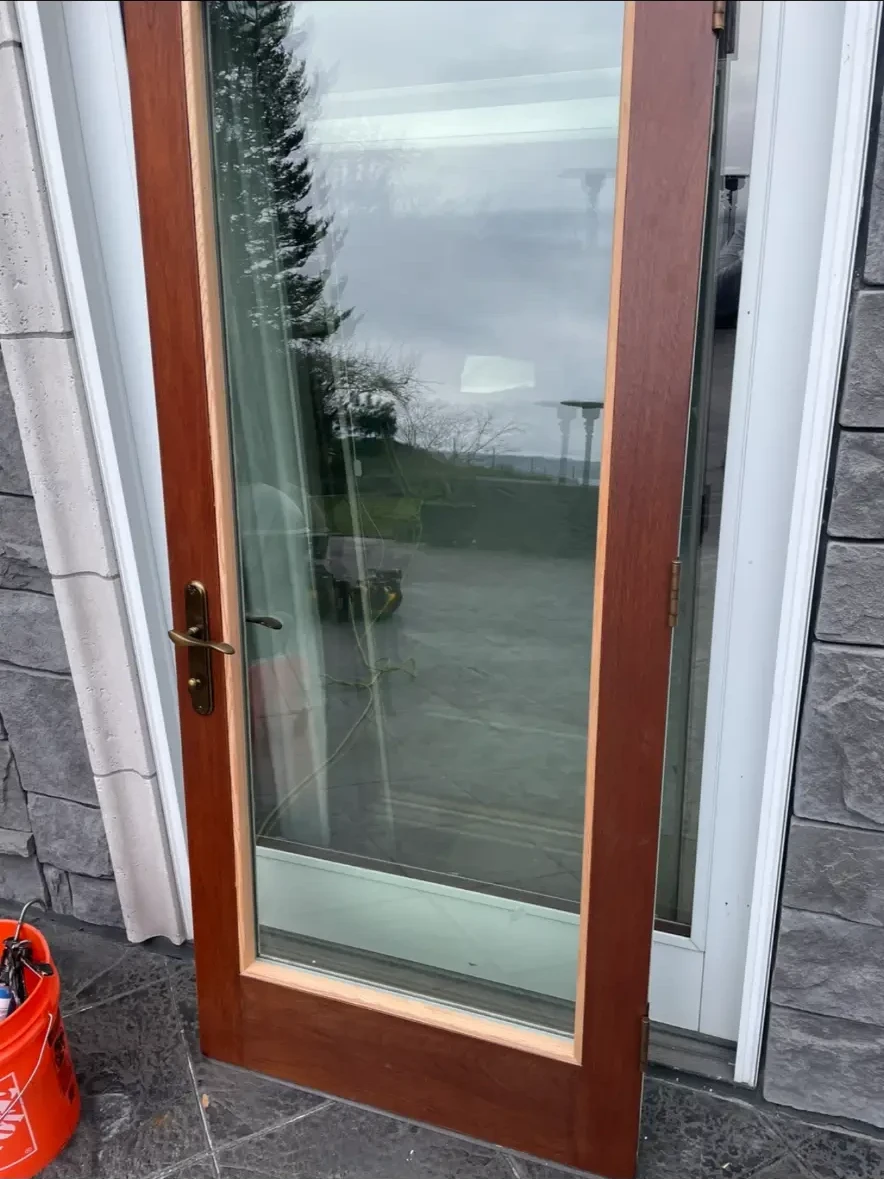
Restoration is not nostalgia and it is not always correct. It is the right answer when the substrate is sound and the failures are component-level — which, in our experience, describes the large majority of the windows we are asked to look at.
Six arguments
Old-growth vertical grain stock — narrow rings, high heartwood content, exceptional dimensional stability — is not available at scale today. A frame milled from it and kept dry outlasts anything that would replace it.
Replacement units insert a new frame inside the existing opening, thickening sightlines and shrinking daylight. On a facade designed around specific proportions, that loss is permanent and visible from the street.
A soft bottom rail, a fatigued seal, a worn weatherstrip. These are components on short clocks attached to a substrate on a very long one. Replacing the assembly to fix a component is a scope error.
Replacement disturbs interior casing, exterior trim, and frequently siding and drywall. Restoration works within the existing opening. Compare the finished condition of the room, not the line item on the quote.
The energy to grow, mill, and install the existing window was expended decades ago. Keeping it avoids new manufacturing and keeps a sound assembly out of landfill.
Modern insulated units, Low-E coatings, and rebuilt weatherstripping can be fitted into original sash. The performance gain comes from the components, not from the frame being new.
The honest exception
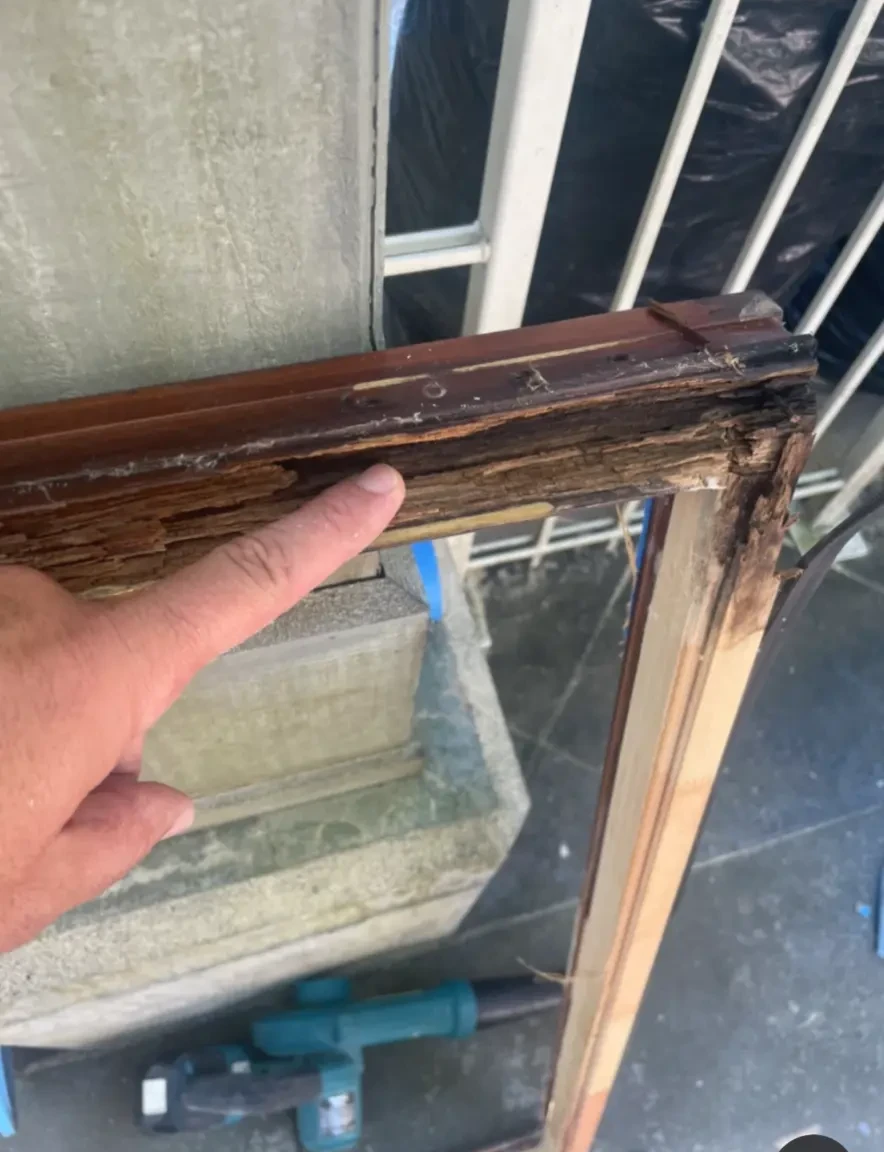
We would rather lose the work than restore something that should not be restored.
See how we assess failures →